Texas Job Growth Is Pushing Housing Demand Higher in 2026
Texas added approximately 132,500 jobs in 2025, and the Dallas Federal Reserve Bank projects roughly 155,000 new positions across the state in 2026. Those numbers are not abstractions for home buyers. Employment growth drives population growth, population growth drives housing demand, and housing demand shapes the price and availability of homes in every major Texas metro. If you are planning to buy a home in Texas this year, the employment story is worth understanding.
This post breaks down where that job growth is happening, what sectors are driving it, and what it means practically for buyers trying to time a purchase in 2026.
Where Texas Job Growth Is Concentrated
Texas job growth in 2025 and 2026 is spread across the state, but the concentration is heaviest in four metros:
Dallas-Fort Worth: The DFW Metroplex has become a major destination for financial services, technology, and corporate relocations. Companies that moved regional or national headquarters to the area over the past five years continue to hire locally. The northern suburbs (Frisco, McKinney, Plano, Allen) have absorbed a significant share of that growth.
Houston: Energy sector employment remains the backbone, but healthcare, logistics, and advanced manufacturing have added meaningful diversification. Harris County and its surrounding counties (Fort Bend, Montgomery, Galveston) continue to see population inflows tied to employment.
Austin: Technology employment cooled from its 2021 peak, but state government, higher education, healthcare, and a resilient tech base continue to generate jobs. The Austin-Round Rock metro added positions across a range of income levels in 2025.
San Antonio: Military and federal employment, healthcare, and manufacturing provide a steady base. Joint Base San Antonio remains one of the largest military installations in the country and generates both direct employment and a significant retiree population that continues to buy homes in the area.
What Employment Growth Does to Housing Demand
Job growth drives in-migration. The Texas Demographic Center estimates the state’s population grew by roughly 400,000 people in 2025. Each household that forms (on average, 2.5 people per household) represents demand for housing, whether rental or owned.
Across Texas, total active listings have increased compared to 2023 and 2024 lows. But the months of supply (how long it would take to sell all current inventory at the current sales pace) in the $300,000 to $500,000 price range has remained below 4 months in most major metros. Employment-driven demand is absorbing the new inventory before it builds up to a buyer’s market in that price tier.
Above $600,000, inventory is higher and days on market are longer. In parts of Austin’s downtown and east side, and in some premium Dallas suburbs, sellers are offering concessions they would not have offered in 2022. Buyers who are flexible on location and product type have more leverage in 2026 than they did two or three years ago.
New Construction Is Helping, But Unevenly
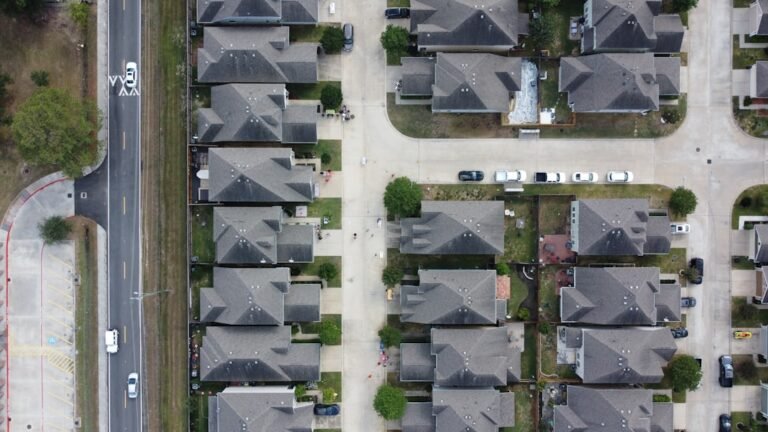
Texas homebuilders have been active in suburban markets. In the DFW area, communities in McKinney, Anna, and Celina have significant new construction inventory. In the Houston metro, Katy, Sugar Land, and Pearland continue to add new subdivisions. San Antonio’s suburban growth corridor stretching toward New Braunfels has attracted builder investment.
The challenge is that new construction in Texas in 2026 tends to cluster in the $350,000 to $550,000 range, with incentives (rate buydowns, closing cost assistance from the builder) making some of those homes more affordable than their sticker prices suggest. See my post on closing costs in Texas for context on how builder credits can reduce your out-of-pocket costs.
Builders are also offering more modest inventory under $350,000 in secondary Texas markets like Waco, Killeen, and Lubbock, which are seeing employment growth from regional healthcare systems and regional economic expansion.
What This Means for Your Mortgage in 2026
In a market where demand is being sustained by employment growth, timing strategy matters. A few practical points:
Get pre-approved before you shop. In any Texas metro with meaningful job growth, properties priced correctly move within days. Having a full pre-approval in hand means you can submit an offer on the same day you find a home, rather than losing a week gathering documents. See my guide to FHA loan limits across Texas in 2026 if you are considering an FHA loan for your purchase.
Understand your rate environment. As of May 2026, the 30-year fixed mortgage rate is around 6.54% nationally (Freddie Mac Primary Mortgage Market Survey, week ending May 15, 2026). That figure is illustrative of current conditions, not a guaranteed rate and not a commitment to lend. Your actual rate will depend on your credit profile, loan type, down payment, and the specific lender. Rates could move in either direction over the coming months depending on Federal Reserve policy and broader economic conditions. I can run payment scenarios at different rate assumptions so you understand your range before you commit.
Think through your down payment carefully. Employment growth markets can have tight timelines. Having your down payment funds in a liquid, accessible account before you begin your search prevents delays at closing. Large deposits into your account within 60 to 90 days of closing will need to be sourced and documented.
Texas does not have a state income tax, which is part of what attracts employers and employees from other states. But property tax rates are among the highest in the country, and they vary significantly by county. Make sure your lender is using an accurate property tax estimate when calculating your monthly payment, particularly in suburban areas where MUD (Municipal Utility District) and PID (Public Improvement District) fees add to the effective tax burden.
Frequently Asked Questions
Is Texas still a good place to buy a home in 2026?
Texas fundamentals remain strong in 2026: employment growth, population in-migration, and no state income tax continue to attract both employers and residents. The market has more inventory than 2021 or 2022, which is better for buyers. Whether it is the right time for you specifically depends on your personal finances, your local market, and how long you plan to stay. I can walk through the math with you based on current conditions.
Which Texas cities are seeing the most job growth right now?
Dallas-Fort Worth and Houston are leading in absolute job numbers, driven by corporate relocation, financial services, energy, and healthcare. Austin continues to add positions in tech and state government. San Antonio is growing steadily around military employment, healthcare, and manufacturing. Secondary markets like Frisco, McKinney, and Katy are absorbing significant suburban employment growth.
How does job growth affect home prices in Texas?
Job growth drives in-migration, which increases demand for housing. More demand with limited supply pushes prices up or keeps them from falling even when inventory rises. In Texas in 2026, inventory is higher than 2022 lows, but employment-driven demand is keeping months of supply below four months in the $300,000 to $500,000 range in most major metros. Above $600,000, buyers have more negotiating leverage.
Is it harder to get a mortgage in Texas when the market is competitive?
Mortgage qualification standards are set by lenders and government agencies, not by local market conditions. What changes in a competitive market is the timeline: sellers prefer buyers with strong pre-approvals who can close quickly. Having a full pre-approval before you shop puts you in a stronger position relative to buyers who still need to gather documents. Subject to credit, income, and property qualification.
What mortgage loan types work best in a high-demand Texas market?
Conventional loans close quickly and are not subject to the property condition requirements that FHA appraisals enforce, which some sellers prefer. FHA loans offer lower credit score minimums and higher DTI allowances but require the property to meet HUD’s Minimum Property Standards. In new construction markets, builders sometimes offer rate buydown incentives that work well with both loan types. The best loan depends on your credit, down payment, and the specific property.
How much should I put down on a Texas home in 2026?
The answer depends on your loan type and financial goals. FHA requires 3.5% minimum with a 580+ credit score. Conventional loans allow as little as 3% down, though you will pay PMI (private mortgage insurance) until you reach 20% equity. Larger down payments reduce your monthly payment and may improve your rate, but keeping reserves after closing is also important. There is no universally right answer, and running different scenarios is worth the time before you decide.
If you want to talk through your numbers for a Texas home purchase in 2026, reach out directly. I work with buyers across the state and can help you understand your options at current rates and your specific financial profile. Let’s figure out what makes sense for you.
Anthony Ferrando | Mortgage Loan Originator | NMLS# 1919613 | Ferrando Financial LLC NMLS# 2403080 | Licensed in Texas. This is not a commitment to lend. Loan approval is subject to credit, income, and property qualifications. Rate cited (6.54%) is from the Freddie Mac Primary Mortgage Market Survey, week ending May 15, 2026, and is illustrative of current market conditions, not a rate quote. Equal Housing Lender. Sources: Dallas Federal Reserve Bank Texas Employment Forecast (2026); Texas Demographic Center population estimates; Freddie Mac PMMS.