Texas Seller Concessions Are Rising: What to Negotiate in 2026
In the first quarter of 2026, 67.6% of homes sold in Texas closed below the list price, with a statewide sale-to-list ratio of 0.978, according to Zillow data from May 2026. If you are buying a home right now, that number matters. It tells you that sellers across Dallas, Houston, and San Antonio are accepting less than what they originally asked, and in many cases, they are offering concessions on top of a price reduction.
I have written about my earlier post on Texas home prices softening and the increase in Texas housing inventory that is driving these dynamics. Both posts give context for what I am seeing on the ground right now: buyers have more negotiating power than they have had in years, and seller concessions are one of the most practical ways to use it.
Why Seller Concessions Are at Their Highest Level in Years Across Texas
When inventory rises and homes sit longer on the market, sellers have to work harder to close a deal. That is the situation playing out across Texas in 2026. Active listings have climbed in every major metro. Days on market have stretched. And sellers, especially those who priced high initially, are coming to the table with more flexibility.
Seller concessions have returned to prominence because buyers are sensitive to monthly payment costs. With interest rates remaining elevated compared to the 2020-2021 era, buyers often need help covering upfront costs or reducing their rate just to make a purchase pencil out. Sellers who want to move their property are responding to that reality.
The Concessions Texas Buyers Are Actually Winning Right Now
There are four categories of concessions that buyers in Texas are successfully negotiating in 2026:
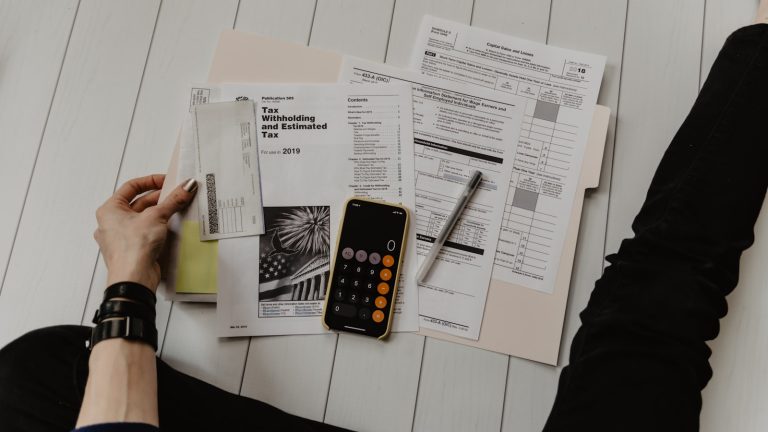
Closing cost credits. The seller agrees to contribute a set dollar amount toward the buyer’s closing costs. On a $400,000 purchase, a $8,000 closing cost credit is not unusual in softer submarkets. This money goes directly toward fees you would otherwise pay out of pocket: lender origination fees, title charges, prepaid property taxes, and prepaid homeowners insurance.
Rate buydowns. A seller-paid temporary or permanent buydown reduces the interest rate on your mortgage. A 2/1 buydown, for example, lowers your rate by 2% in year one and 1% in year two before settling at the note rate in year three. This can meaningfully reduce your first two years of payments while you settle in. A permanent buydown (discount points) lowers your rate for the entire loan term.
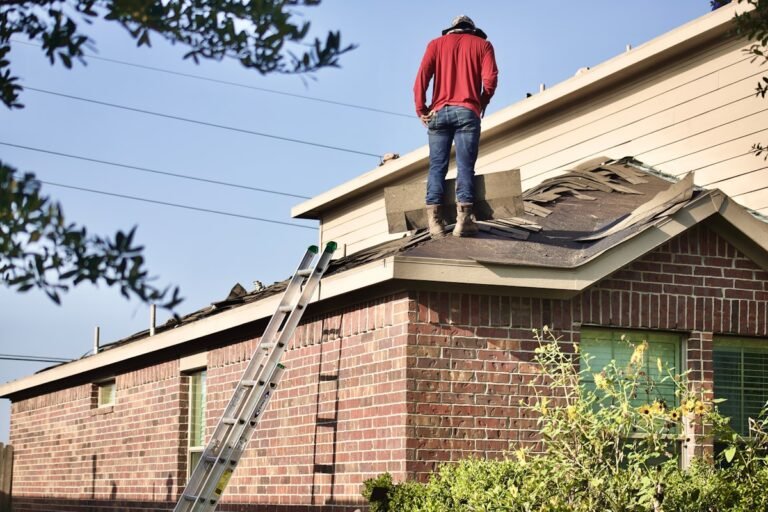
Repair credits or allowances. Instead of asking the seller to fix items found during inspection, many buyers are negotiating a dollar credit at closing to handle repairs themselves after the fact. This is cleaner and faster than waiting on the seller’s contractor.
HOA fee credits. In communities with homeowners associations, buyers have successfully negotiated seller-paid HOA dues for the first few months. This is less common but worth asking about in condo markets and master-planned communities around Fort Worth and the Houston suburbs.
How a Concession Changes Your Bottom Line
Let me show you how this works with real numbers. Say you are purchasing a $400,000 home in San Antonio and you negotiate an $8,000 closing cost credit.
Without the concession, you would arrive at the closing table needing to cover your down payment plus $8,000 in closing costs, all out of pocket. With the concession, that $8,000 stays in your account. You still pay the same purchase price, but your cash-to-close drops by exactly that amount.
On a conventional loan with a 5% down payment ($20,000), moving from $28,000 cash-to-close to $20,000 cash-to-close is significant. It could be the difference between having a healthy reserve after closing or feeling stretched thin before the first mortgage payment arrives.
For a rate buydown comparison: a 1-point permanent buydown on a $380,000 loan (the loan after 5% down) costs approximately $3,800 and could reduce your rate by 0.25%, saving roughly $57 per month. Over the first five years, that is more than $3,400 in interest savings. Subject to your actual rate, loan terms, and lender pricing.
Negotiating by Metro: What Works in Dallas vs. Houston vs. San Antonio
Texas is not a single market, and concession strategies that work in one city may not land the same way in another.
Dallas-Fort Worth. The DFW market has seen inventory increase significantly in the northern suburbs, including Frisco, McKinney, and Prosper. New construction is especially open to concessions, with builders offering rate buydowns, design center credits, and closing cost contributions. On resale, buyers in areas with high days-on-market are getting $5,000 to $10,000 in closing cost credits on mid-range homes.
Houston. Houston has one of the largest inventory buildups in Texas. In suburbs like Sugar Land, Pearland, and Katy, sellers are frequently offering price reductions and layering in closing cost credits on top. Flood zone considerations can also give buyers additional grounds to negotiate repair credits after inspection.
San Antonio. San Antonio remains more affordable on an absolute basis, but the market has softened from its 2022 peak. Buyers here are successfully requesting closing cost credits in the $5,000 to $8,000 range and are also pushing for rate buydowns on higher-priced properties in the $350,000 to $500,000 range.
How Concessions Interact with Your Mortgage
This is where I see buyers make mistakes. Seller concessions are not unlimited. Lenders cap how much a seller can contribute based on the loan type and the loan-to-value ratio.
For FHA loans, see FHA loan limits for 2026 in Texas for the full picture on loan amounts. On the concession side, the seller can contribute up to 6% of the purchase price toward the buyer’s closing costs and prepaid items. On a $400,000 home, that is up to $24,000, though most closings don’t come close to that ceiling.
For conventional loans, the cap depends on your down payment. With less than 10% down, the seller can contribute up to 3% of the purchase price. With 10% to 24% down, the cap rises to 6%. With 25% or more down, sellers can contribute up to 9%.
Anything above these limits cannot be applied to closing costs and would need to be reflected as a price reduction instead. I always review the concession amount against these limits before we finalize an offer. There is no point negotiating $15,000 in concessions on a conventional loan with 5% down when the lender will cap it at $12,000.
The Right Way to Ask for Concessions
How you frame a concession request in your offer matters. Asking directly for a dollar credit toward closing costs is cleaner than tying the request to an inspection contingency (unless it directly follows from an inspection finding).
A few approaches that work:
Build it into the offer price. If the list price is $400,000 and you want $8,000 in concessions, offer $400,000 with $8,000 in seller-paid closing costs rather than offering $392,000 with no concessions. The seller nets the same amount, but your loan amount is higher, which means you need less cash at closing. This structure often works better from a seller psychology standpoint.
Tie it to days on market. If the home has been sitting for 45 to 60 days, your agent can reference market time in the offer letter to frame why concessions are reasonable. Sellers who have already adjusted their expectations are more receptive.
Keep it clean. Requests for too many line items (repair credits, HOA credits, rate buydown, and a closing cost credit all at once) can feel aggressive. Pick the highest-value concession and negotiate for that first. Add others only if the seller seems open to it.
Know your walk-away number. If the seller declines concessions but drops the price, run the math. A price reduction and a concession are not always equivalent depending on your cash position, tax situation, and how the loan is structured.
Frequently Asked Questions
What is a seller concession and how does it work?
A seller concession is a credit the seller agrees to pay toward the buyer’s closing costs or other purchase expenses. Rather than reducing the purchase price, the seller contributes a dollar amount that goes directly toward fees at the closing table. The buyer still pays the agreed price, but their out-of-pocket cash at closing is reduced by the concession amount, subject to lender limits.
How much can a seller pay toward my closing costs in Texas?
The limit depends on your loan type and down payment. On FHA loans, sellers can contribute up to 6% of the purchase price. On conventional loans, the cap ranges from 3% (less than 10% down) to 6% (10-24% down) to 9% (25% or more down). On a $400,000 purchase with 5% down and a conventional loan, the seller can contribute up to $12,000 toward your closing costs, subject to credit, income, and property qualifications.
Can I get a seller concession on a cash-offer deal?
Yes. Cash buyers have no lender to impose contribution limits, so there is no regulatory cap on concessions in an all-cash transaction. However, the seller still controls what they are willing to give. Cash buyers often trade concessions for speed and certainty. If you are paying cash, concession requests are still worth making, particularly if the home has been sitting on the market or if you have discovered issues during the option period.
Is asking for concessions a red flag in a competitive market?
In a hot seller’s market with multiple offers, requesting concessions can weaken your offer. In the current Texas market of 2026, with 67.6% of homes selling below list price, most sellers are expecting some negotiation. Asking for concessions in a softer market, or on a home with extended days on market, is standard practice. Your agent can read the specific situation and advise whether to fold the request into the offer price or list it separately.
What is the difference between a rate buydown and a closing cost credit?
A closing cost credit reduces what you pay out of pocket at the closing table, covering fees like title insurance, appraisal, and origination charges. A rate buydown uses seller funds to prepay mortgage interest (discount points), which lowers your interest rate either temporarily (like a 2/1 buydown) or permanently. The right choice depends on how long you plan to stay in the home and whether your bigger priority is cash preservation now or a lower monthly payment over time.
Will asking for concessions hurt my chances of getting the house?
It depends on the market conditions for that specific property. On a home with multiple competing offers, adding concession requests can push your offer to the back. On a home that has been sitting for 30 or more days with no other offers, sellers typically expect buyers to negotiate. Your real estate agent will know which situation you are in. The structure of how you ask, such as building the concession into the offer price rather than asking for a reduction plus a credit, also affects how sellers receive the request.
If you are buying in Dallas, Houston, San Antonio, or anywhere else across Texas and want to talk through how to structure your offer to maximize concessions within your loan limits, reach out directly and let’s talk through your options.
Sources: Zillow (May 2026).
Anthony Ferrando | Loan Officer | NMLS# 1919613 | Client Direct Mortgage NMLS# 1065732 | Licensed in Texas. This is not a commitment to lend. Loan approval is subject to credit, income, and property qualifications. Equal Housing Opportunity.