Who Pays Closing Costs in Texas? A Buyer and Seller Breakdown
Who pays what at a Texas closing: the customary buyer and seller split, concession caps by loan type, and the math on a price cut versus a seller credit.


Who pays what at a Texas closing: the customary buyer and seller split, concession caps by loan type, and the math on a price cut versus a seller credit.

Assuming an FHA or VA loan in Texas takes 45 to 90 days and a plan for the equity gap. Here is the full checklist: steps in order, fees, and timeline.

Texas caps every equity loan at 80% of your home’s value. A decision framework for choosing between a HELOC, a home equity loan, a cash-out, or leaving it alone.

Moving to Texas for a new job? How lenders underwrite a mortgage after a job change: offer letter approvals, start-date rules, remote income, and timing your close.

Half your mortgage payment every two weeks adds up to one extra payment a year. Here is what that does to a Texas loan balance, in real numbers, and the fees to skip.

Minimum down payments in Texas run 0% to 3.5%, not 20%. Real dollar figures at Texas price points, where the money can come from, and when more helps.

Gift funds can cover your whole down payment on most Texas loans. The donor, letter, and transfer rules for Conventional, FHA, and VA, explained simply.
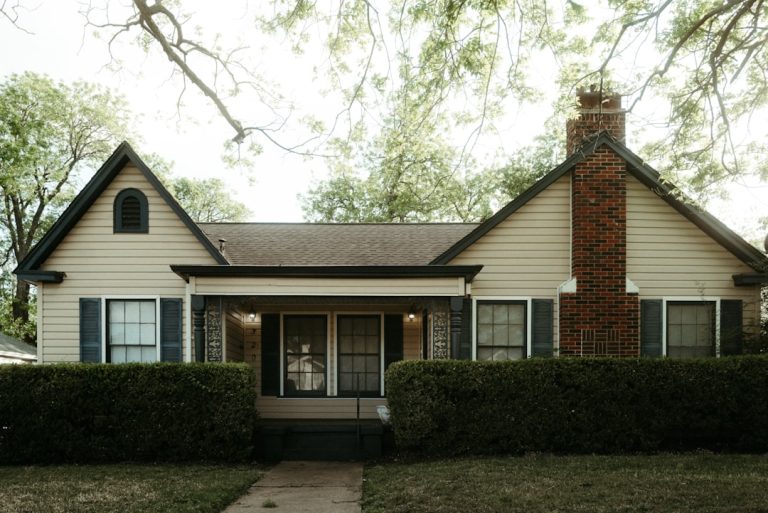
Live in one unit, rent the other. How Texas buyers use owner-occupied FHA, VA, and conventional loans on duplexes, how rental income counts, and a worked scenario.
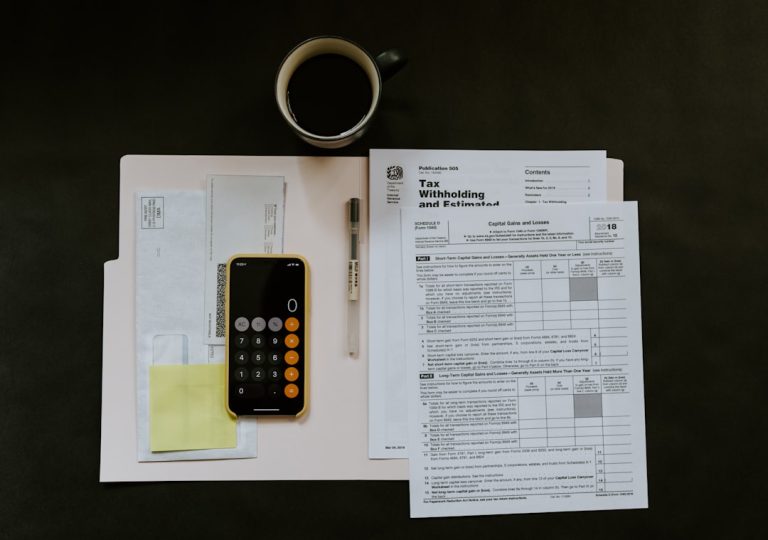
Which debts count toward your DTI in Texas, how lenders run the math, the 2026 limits by loan program, and practical ways to lower your ratio before you apply.

How the TSAHC Home Sweet Texas Home Loan Program works statewide: DPA amounts, income limits, and how it pairs with FHA and conventional first mortgages.