Buying a Home in Dallas: Suburbs vs. Urban Core Mortgage Math
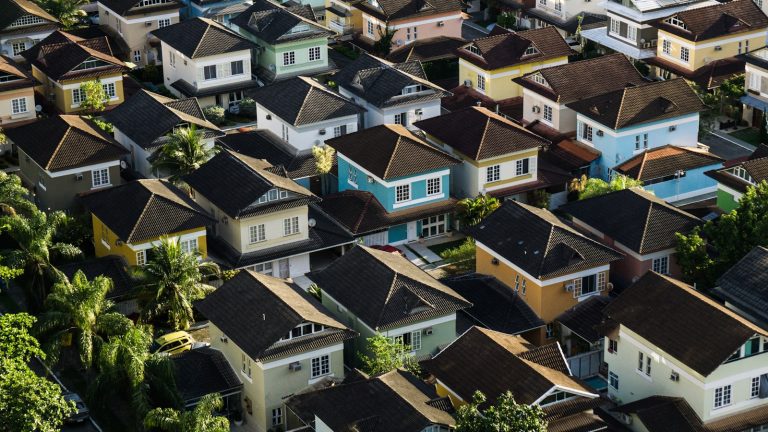
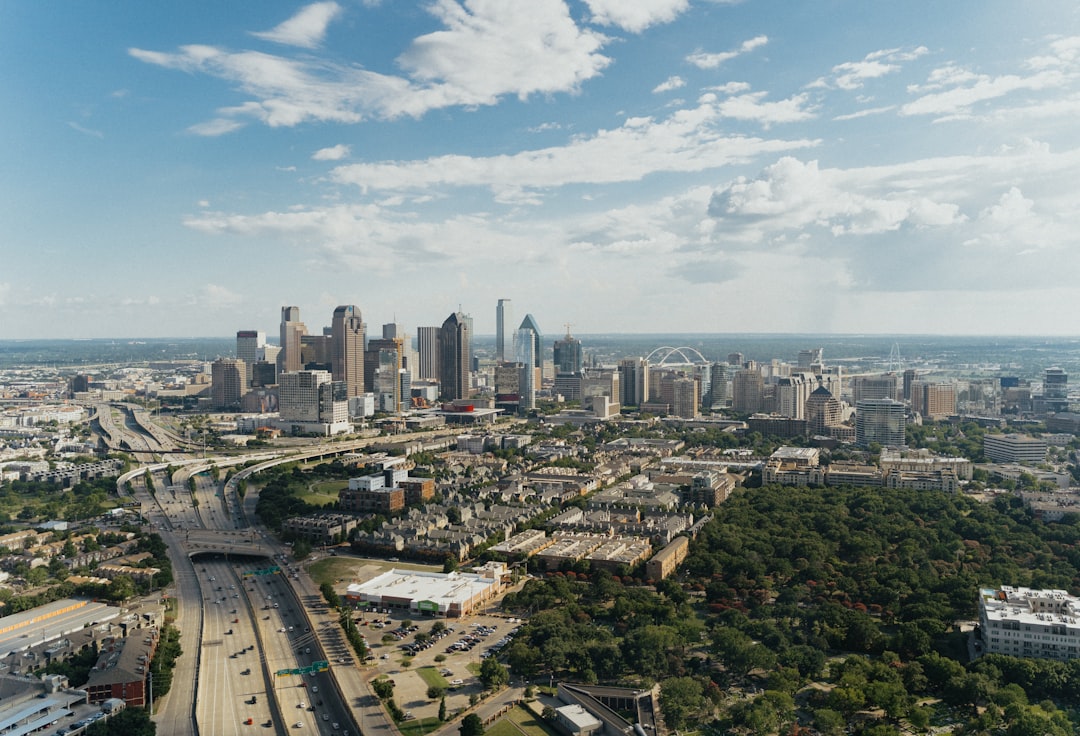
Dallas gives buyers a choice that shapes the whole mortgage, and it is bigger than paint colors or square footage. You can buy inside the urban core, in neighborhoods like Oak Lawn, Bishop Arts, or Deep Ellum, or you can head to the suburbs that ring the metro: Frisco, McKinney, Plano, Prosper, Mansfield. The home price is only the start. Property taxes, HOA dues, insurance, and commute costs all shift between the core and the suburbs, and together they change the loan you can carry. Freddie Mac’s Primary Mortgage Market Survey put the average 30-year fixed at 6.49% for the week ending June 25, 2026, and at that level the math between the two paths is worth running carefully.
I am Anthony Ferrando, a mortgage loan originator licensed across Texas (NMLS# 1919613), and I help buyers all over the Dallas-Fort Worth area weigh exactly this tradeoff. Here is how the numbers actually differ.
Key points:
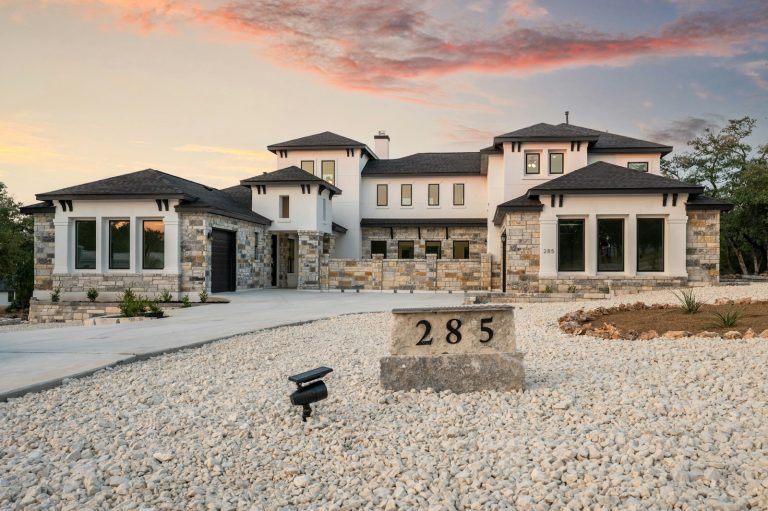
- Urban-core Dallas homes often cost more per square foot, while suburban homes give you more space for the dollar.
- Property tax rates in fast-growing suburbs can run higher than core Dallas, especially in MUD or PID districts.
- Newer suburban homes frequently carry HOA dues that core neighborhoods may not.
- The same loan program works in both places; what changes is the price, the tax bill, and the monthly payment.
- The 2026 conforming loan limit is $832,750 statewide, so many core and suburban homes stay in conforming territory.
- Commute and transportation costs belong in the comparison, even though no lender counts them in your DTI.
Is it cheaper to buy in the Dallas suburbs or the urban core?
It depends on what you measure. Suburban homes in places like Frisco or McKinney usually deliver more square footage for the price, so the sticker often looks cheaper per room. Core Dallas homes tend to cost more per square foot but sit closer to work and nightlife, trimming commute costs. The true comparison is the full monthly payment plus commuting, not the purchase price alone.
Once you fold in property taxes, HOA dues, and insurance, a lower suburban purchase price does not always win. A newer suburban home in a special tax district can carry a tax bill that erases the price advantage over an older core home. Run both as a full payment before deciding which is actually cheaper for you.
How do property taxes differ across the Dallas area?
Texas has no state income tax, so property taxes do the heavy lifting, and the rate varies by location. Across much of the Dallas-Fort Worth area, combined property tax rates commonly land in the 2% to 2.7% range of assessed value, with newer master-planned suburbs often at the higher end because they layer in district taxes that fund roads and utilities. Core Dallas neighborhoods are not automatically cheaper, but they are less likely to carry those add-on district levies.
This matters for your loan because property taxes are part of your monthly payment and your debt-to-income ratio. A higher tax rate raises the payment the lender uses to qualify you, which can shrink your buying power. Filing your Texas homestead exemption once the home is your primary residence helps, and I cover the county-by-county picture in my Texas property tax comparison.
What about MUD and PID districts in the suburbs?
Many newer suburban communities sit inside a MUD (Municipal Utility District) or PID (Public Improvement District). These districts issue bonds to pay for the infrastructure that made the neighborhood possible, and homeowners repay them through an added tax line. A MUD tax can add a meaningful amount to your annual bill, sometimes a full percentage point or more on top of the base rate.
MUD and PID rates often decline over the years as the district pays down its bonds, but they are real money on day one. Before you fall for a brand-new suburban home, ask for the full tax rate including any district levy, then plug that number into your payment. The home itself may fit your budget while the tax district pushes the monthly cost past it.
Suburbs vs. core: the mortgage math side by side
Here is how the major cost factors generally compare. Your actual figures depend on the specific home, neighborhood, and your loan terms, all subject to credit, income, and property qualifications.
| Factor | Urban core Dallas | Growing suburbs |
|---|---|---|
| Price per square foot | Higher | Lower |
| Total square footage | Often less | Often more |
| Property tax rate | Usually no district add-on | May include MUD or PID levy |
| HOA dues | Common in condos, less in older homes | Common in master-planned communities |
| Commute cost | Lower | Higher |
| Loan programs | Conventional, FHA, VA all work | Conventional, FHA, VA all work |
The loan program is the one thing that does not change. Conventional, FHA, and VA financing all work in either location, so the decision comes down to the total cost of ownership rather than the mortgage type. For a refresher on down payment paths, see my guide to conventional loan down payment options in Texas.
Which one fits your budget and your life?
Start with the payment you are comfortable making, then work backward. Build a full PITI estimate for a core home and a suburban home, including the correct tax rate and any HOA or district fees, and compare them honestly. A buyer I worked with recently assumed Prosper would be cheaper than a comparable spot near downtown, until the MUD tax closed most of the gap and the longer commute closed the rest.
There is no universally right answer. A family that wants space and top-rated schools may find the suburbs worth the higher tax bill, while a buyer who values a short commute may come out ahead in the core despite the higher price per foot. To see where the broader market sits while you compare, check my rolling Texas housing market page.
Frequently Asked Questions
Are Dallas suburbs really cheaper than the city?
Often on price per square foot, but not always on total monthly cost. Suburban homes usually give you more space for the dollar, yet higher property tax rates, MUD or PID levies, HOA dues, and commute costs can close or erase the gap. Compare the full monthly payment plus commuting, not just the purchase price.
What is a MUD tax and how much does it add?
A MUD (Municipal Utility District) tax repays the bonds that funded a community’s roads, water, and sewer. It is added to your regular property tax bill and can add a full percentage point or more of assessed value in the early years. The rate often declines over time as the district pays down its debt.
Does a higher property tax rate affect how much home I can buy?
Yes. Property taxes are part of your monthly payment and your debt-to-income ratio, so a higher tax rate raises the payment a lender uses to qualify you. That can reduce your maximum loan amount. Two homes at the same price can qualify differently if one sits in a higher-tax district.
Can I use the same loan for a condo downtown and a house in the suburbs?
Generally yes. Conventional, FHA, and VA loans all work in core Dallas and the suburbs. Condos add a warrantability review of the HOA, but the core programs are available in both settings. What changes between locations is the price, the taxes, and the monthly payment, not the loan type itself.
Do suburban Dallas homes always have an HOA?
Not always, but master-planned suburban communities frequently do, and the dues fund shared amenities and upkeep. Older neighborhoods, including many in the urban core, may have no HOA at all. Always confirm the dues and what they cover, because they are part of your monthly housing cost even though they are not part of the loan.
How do I compare a core home and a suburban home fairly?
Build a full PITI estimate for each: principal, interest, the correct property tax rate including any district levy, and insurance, then add HOA dues and your expected commute cost. Comparing complete monthly numbers rather than purchase prices shows which home actually fits your budget.
Weighing a Dallas core home against the suburbs?
I can build a real payment comparison for the specific neighborhoods you are considering, district taxes and all. Reach out and let’s talk through your options, no pressure, and we will figure out which path fits your budget and your life.
Anthony Ferrando | Loan Officer | NMLS# 1919613 | Client Direct Mortgage NMLS# 1065732 | Licensed in Texas. This is not a commitment to lend. Loan approval is subject to credit, income, and property qualifications. Property tax rates, MUD and PID levies, and HOA dues vary by neighborhood and are illustrative here, not a quote. Any rate figure cited is illustrative, not a quote. Source: Freddie Mac Primary Mortgage Market Survey, week ending June 25, 2026. Equal Housing Opportunity.