Texas Flood Zones: How to Check Before You Make an Offer
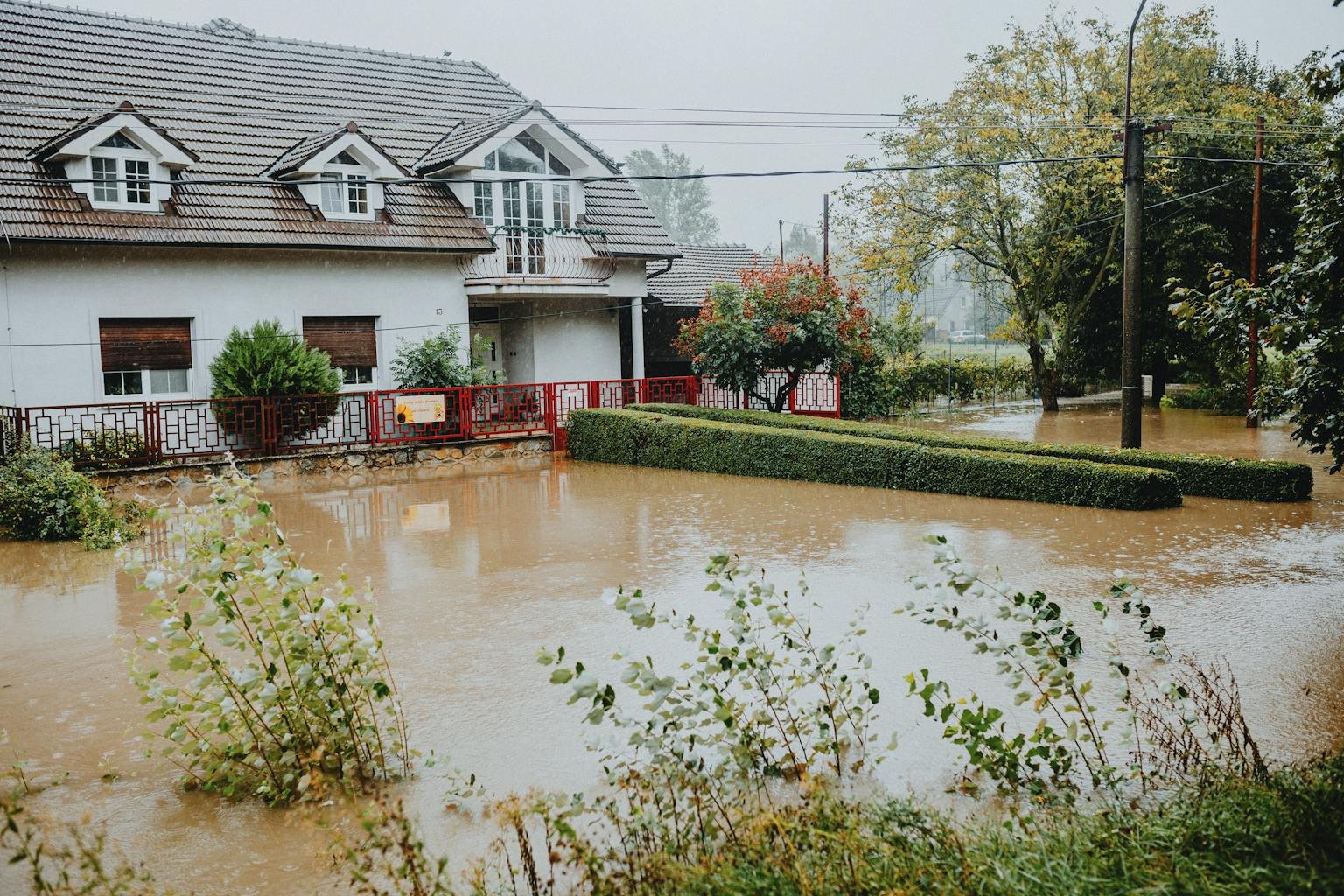
Texas had 22 federally declared flood disasters in 2024, more than any other state that year. The state’s geography, from the Gulf Coast through the Hill Country to the Panhandle, creates conditions for both coastal flooding and inland flash flood events that affect properties buyers would not expect to be at risk. For anyone buying a home in Texas, checking flood zone status before making an offer is not optional; it is a basic part of due diligence.
What most buyers do not realize is that flood zone status affects more than just insurance. It can affect whether a federally backed loan gets approved, how much your monthly payment increases, and how much negotiating leverage you have during the option period. Here is how to check it, what the different designations mean, and what changes about your loan if the property is in a Special Flood Hazard Area.
Understanding FEMA Flood Zone Designations
The Federal Emergency Management Agency (FEMA) maintains flood insurance rate maps (FIRMs) that designate flood risk zones for most communities in the United States. In Texas, the relevant designations break down as follows:
- Zone AE: High-risk Special Flood Hazard Area (SFHA) with base flood elevations determined. This is the most common high-risk designation in Texas and requires flood insurance for any federally backed loan.
- Zone A: High-risk SFHA where base flood elevations have not yet been determined. Also requires flood insurance for federally backed loans.
- Zone AO / AH: High-risk areas with shallow flooding (sheet flow or ponding). Flood insurance required for federally backed loans.
- Zone VE / V: Coastal high-risk areas subject to wave action, common along the Texas Gulf Coast. Highest flood insurance costs.
- Zone X (shaded): Moderate flood risk, typically the 500-year floodplain. Flood insurance is not required but is often recommended.
- Zone X (unshaded): Minimal flood risk. Flood insurance is generally not required and costs less when purchased voluntarily.
The line between Zone AE and Zone X can run down the middle of a street. Two nearly identical homes on the same block can carry very different insurance costs depending on which side of the boundary they fall on.
How to Check Flood Zone Status Before Making an Offer
The fastest way to check is the FEMA Flood Map Service Center at msc.fema.gov. Enter any Texas property address and the site returns the applicable flood zone on an interactive map. This is a public, free tool that takes about 30 seconds to use.
A few important caveats:
- FEMA maps are updated periodically but can lag behind actual flood conditions. Some communities have filed Letter of Map Amendments (LOMAs) or are in the process of updating their maps. A property may show as Zone A on an older map but have been successfully removed via LOMA.
- The FEMA map may not reflect a property’s elevation relative to the base flood elevation. An elevation certificate, prepared by a licensed land surveyor, documents the building’s exact elevation and can lower your flood insurance premiums if the structure sits above the base flood elevation.
- Many Texas communities participate in FEMA’s National Flood Insurance Program (NFIP). Some do not. Participation affects whether NFIP coverage is available.
Your lender or title company will also conduct a flood zone determination as part of the loan process. But doing it yourself before making an offer gives you information earlier, when you still have full negotiating flexibility.
What Flood Zone Status Means for Your Mortgage
If the property is in a Special Flood Hazard Area (any Zone A or Zone V designation), federal law requires you to carry flood insurance for the life of any federally backed loan. This includes FHA loans, VA loans, USDA loans, and conventional loans sold to Fannie Mae or Freddie Mac.
The requirement applies regardless of whether your lender thinks you need it or whether flood insurance is common in that neighborhood. The law mandates it. Your lender will verify flood insurance is in place at or before closing and will require proof of renewal each year.
The cost of that insurance directly increases your monthly payment through your escrow account. NFIP policies on high-risk properties commonly run $1,200 to $4,000 per year for residential properties, though FEMA’s Risk Rating 2.0 system (implemented in 2021) has changed how those premiums are calculated. Your specific premium depends on your property’s elevation, structure type, coverage amount, and flood zone. A property in Zone AE sitting several feet above the base flood elevation will cost less to insure than an identical structure sitting below it.
Private flood insurance is also available from specialty carriers and sometimes offers more competitive rates than NFIP for certain property profiles. A licensed insurance agent who specializes in flood coverage can compare options.
For buyers financing with a conventional loan, check out our guide on FHA loans in Texas and how flood insurance interacts with FHA financing requirements. For a broader view of what makes your total monthly payment at closing, our closing day overview at closing day in Texas: what to bring and what gets signed covers how escrow items are handled at the table.
Texas Flood Zones and the Option Period
In Texas, the option period gives you the right to terminate a contract for any reason for a small fee (typically $100 to $500). Using the option period strategically includes researching flood risk during that window.
If a FEMA check reveals the property is in Zone AE and you did not know that before making the offer, you have options. You can negotiate a price reduction to offset higher insurance costs. You can request the seller provide an existing elevation certificate, which may show the structure is above the base flood elevation and therefore insurable at a lower rate. You can also simply terminate during the option period if the flood risk does not fit your situation.
Keep in mind that Texas real estate contracts require sellers to disclose known material defects, but flood zone status is often not disclosed proactively because it is a geographic designation rather than a property defect. Buyers bear the responsibility of checking it themselves. Understanding earnest money rules in Texas and how your deposits are protected during the option period is part of making a confident offer.
Flood Insurance and Texas’s Unique Markets
Certain Texas markets have elevated flood risk by geography. Houston’s flat topography and clay-heavy soils led to massive flooding during Hurricane Harvey in 2017, and many Harris County neighborhoods remain in or near Zone AE. The Texas Hill Country, including areas around Austin, San Antonio, and Fredericksburg, is prone to flash flooding from rapid-onset storms. The Gulf Coast corridor from Beaumont to Corpus Christi faces coastal surge risk.
Buyers in these markets need to look at elevation relative to the 100-year flood level, not just whether the property technically falls in Zone X on a FEMA map. A property that barely escaped Zone AE designation can still experience significant flooding if a major storm event comes through.
Working with a real estate agent who knows local flood history and a lender who has processed multiple loans in flood-prone Texas markets is worthwhile. I have worked with buyers in Houston, San Antonio, and the Hill Country on properties where flood zone status was a material factor in the deal structure and financing strategy.
Frequently Asked Questions
Is flood insurance required for my Texas home purchase?
Flood insurance is required by federal law if your property is in a Special Flood Hazard Area (Zone AE, A, AO, AH, VE, or V) and you are using any federally backed loan including FHA, VA, USDA, or conventional loans sold to Fannie Mae or Freddie Mac. If the property is in Zone X (low or moderate risk), flood insurance is typically not required but many buyers choose to purchase it anyway.
How do I check if a Texas property is in a flood zone?
The fastest method is the FEMA Flood Map Service Center at msc.fema.gov. Enter the property address and the tool returns the flood zone designation from the current official FEMA map. Your lender will also run an official flood determination as part of the loan process, but checking early, before you make an offer, gives you more time to factor the information into your decision.
How much does flood insurance cost in Texas?
Costs vary significantly based on the property’s elevation, flood zone, coverage amount, and structure type. NFIP policies for high-risk Zone AE properties in Texas commonly run $1,200 to $4,000 per year. Properties with elevation certificates showing the structure above the base flood elevation typically qualify for lower premiums. Private flood insurance is available and sometimes less expensive than NFIP for certain property profiles.
Can I get a mortgage on a Texas home in a flood zone?
Yes. Being in a flood zone does not prevent you from getting a mortgage. It does require you to carry flood insurance for the life of the loan if you are using federally backed financing. That insurance cost is included in your monthly escrow payment and factors into your debt-to-income ratio during qualification. Your lender will require proof of flood insurance at closing and annually thereafter.
What is an elevation certificate and do I need one?
An elevation certificate documents a property’s exact elevation relative to the base flood elevation. It is prepared by a licensed land surveyor and is required for NFIP rating on most Zone AE properties. If the structure sits above the base flood elevation, the certificate can significantly reduce your flood insurance premium. Ask the seller if one exists before ordering a new one, as they can cost $300 to $800 to obtain.
Does flood zone status affect the price I should offer on a Texas home?
It can. If the property is in Zone AE and flood insurance will add $150 to $300 per month to your payment, that ongoing cost is worth factoring into your offer price. During the Texas option period, you can use the flood determination as a basis to negotiate a price adjustment or to request seller concessions. If the risk or cost is too high for your situation, you can also terminate during the option period without losing your earnest money deposit.
If you are under contract on a Texas property and want to understand how flood zone status affects your loan approval, insurance costs, and total payment, reach out and let’s walk through it. I work with buyers across Texas markets where flood risk is a real consideration, and I can help you understand the full picture before closing.
Anthony Ferrando | Loan Officer | NMLS# 1919613 | Client Direct Mortgage NMLS# 1065732 | Licensed in Texas. This is not a commitment to lend. Loan approval is subject to credit, income, and property qualifications. Flood zone designations and insurance requirements are subject to change based on FEMA map updates and federal program rules; verify current flood zone status at msc.fema.gov and consult a licensed flood insurance agent for accurate premium quotes. Equal Housing Opportunity.
Sources: FEMA National Flood Insurance Program (fema.gov/flood-insurance, 2026); Texas Division of Emergency Management (tdem.texas.gov); FEMA Risk Rating 2.0 implementation data.