Appraisal Waivers in Texas: When You Can Skip the Appraisal
An appraisal waiver can save you the fee and several days at closing. Here is when a Texas conventional loan qualifies, and when skipping the appraisal is unwise.


An appraisal waiver can save you the fee and several days at closing. Here is when a Texas conventional loan qualifies, and when skipping the appraisal is unwise.
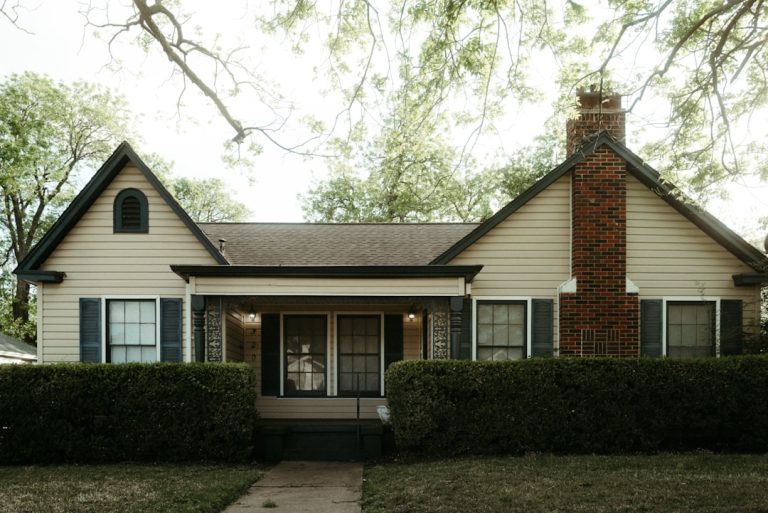
Keeping the house after a Texas divorce comes down to the mortgage. Here is how a buyout works, what an owelty lien does, and how to qualify on one income.

A non-occupant co-borrower can help you qualify for a Texas home loan. See how it works on conventional, FHA, and VA loans, plus the risks to weigh.

A mortgage recast lowers your payment while keeping your rate and payoff date. Here is how recasting works in Texas and when it beats a refinance.

DSCR loans qualify on a rental’s cash flow, not your income. Here is how the math works and when a conventional investment loan beats DSCR on rate and cost.

Self-employed Texans are often told they need a bank statement loan. Here is how the math works and when a conventional loan beats it on rate and cost.

A condo loan approves the building, not just you. See what warrantability means in Texas, why projects fail it, and how to check before you make an offer.

Builder incentives in Texas can be generous, but they come with strings. See how rate buydowns, credits, and preferred lenders really work before you sign.

Second-home loans follow different rules than your primary mortgage. Down payments, occupancy traps, Airbnb limits, and flood costs for Texas lake buyers.

Inheriting a Texas home raises mortgage, title, and tax questions fast. What heirs can keep, how sibling buyouts work, and where probate fits in.